
The Man They Send For
The Post-it notes were on the floor, a day's work for Lord Weinstock in pieces. He owned it by seven in the morning. Forty years on, the state sends for him when its biggest programmes are in trouble.
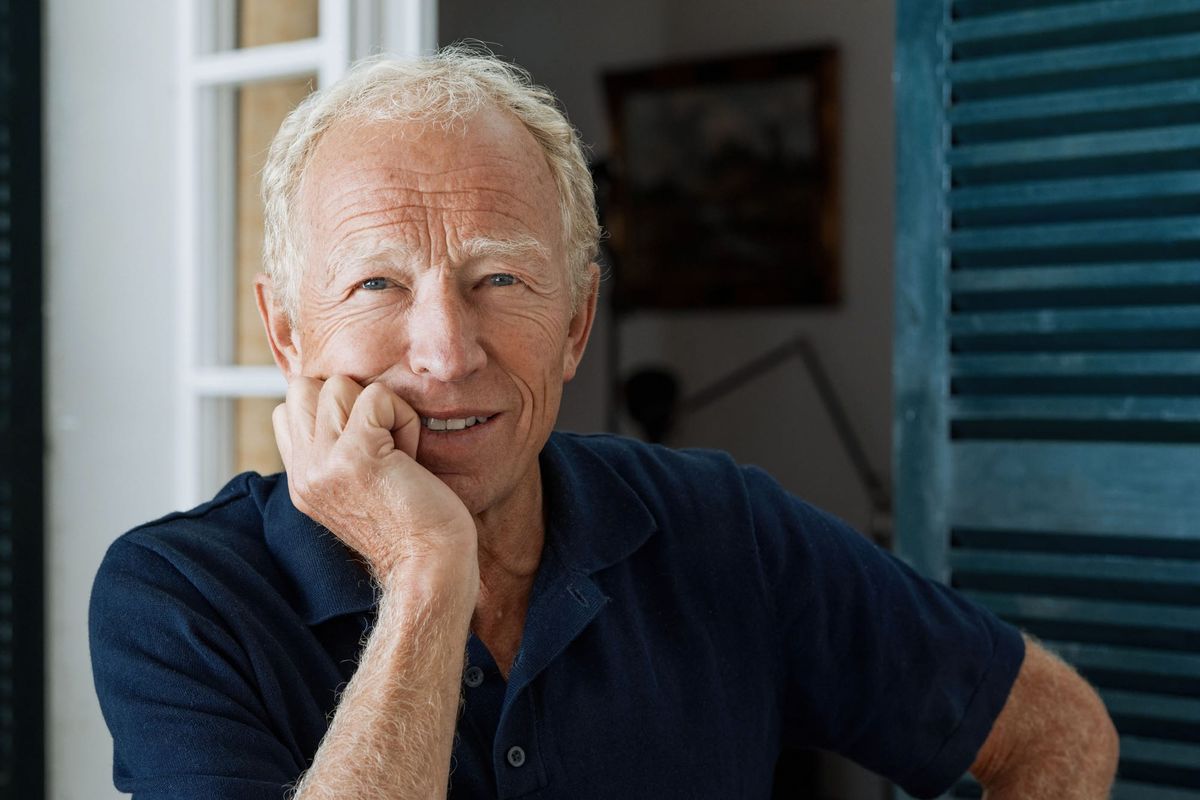
The Post-it notes were on the floor.
Paul Mansell had stuck them to the wall the night before, a full day's work with eight of Lord Weinstock's most senior people at GEC, every idea sorted into themes and colours, the future of a chunk of the Marconi business laid out where everyone could see it. There was no digital camera to photograph it. He was too tired to take it down, so he left it up and went home. When he came in at first light, the wall was bare and the floor was a sea of small yellow squares.
He was in his first months as a consultant, barely out of uniform, with no financial or commercial training and a CV that said commando, diver, parachutist. He could try to con his way out of it, or tell the boss straight. Then Weinstock walked in.
"I know I'm facing the sack for this," Mansell told him. "But all our efforts from yesterday are on the floor."
Weinstock laughed. "I like honesty," he said. "You're a bright young person. I'm sure you can put most of it back together. Call me in half an hour and I'll tell you where it needs touching."
He had the wall rebuilt from memory before the morning was out. What stayed with him was not the reprieve. It was what the old man did next. At the full session, in front of everyone, Weinstock told the story of the young consultant who had owned his mistake at seven in the morning. "Don't run away from your mistakes," he told the room. "Hold your hand up, put it right." A potential disaster had been averted, and it reinforced something the Corps had drummed into him: shit happens, own it, put it right, move on.
Paul Mansell was a dyslexic kid, sent to boarding school at seven while his parents were posted to Singapore, bottom of the form, out the other end with barely one A-level. He then spent twenty years as a Royal Marine: a troop commander in the Falklands at twenty-two, the officer who led the Corps' freefall team to a number of world records, a company commander who led the evacuation of 10,000 islanders from an erupting volcano at night. None of that is why a Cabinet minister might know his name. They know it because of what he does now. The state hands him its largest and most troubled programmes, the ones that cost tens of billions, and he tells it the truth about them. In 2016 he wrote the confidential report warning that HS2 would cost up to £80 billion while its own people were assuring Parliament of £56 billion. It leaked. The department briefed that he had got it wrong. A year-long government review found that he had got it right.
He is the man they send for when something very large is coming off the rails.

The crash
His own plan had once been simple, and singular. Commando course, then his own troop, then learn to fly. He had a flying scholarship before he could drive, thirty hours logged at Goodwood, pedalling to the airfield on a bicycle. Flying was the future he had built everything towards.
Not long back from the Falklands, he took a Gazelle up over Salisbury Plain, dogfighting another helicopter, and crashed it. He failed the check test that followed. The plan ended in a debrief.
"I was devastated. Just devastated." The assessors were blunter than he was. He was a risk to himself and to other people, they told him. Some night in Norway there would be a casualty to lift out in weather no sensible pilot would fly, and he would go anyway, and possibly kill himself and the men in the back. Mansell, who had every reason to argue, didn't. "I think they're right. I probably would have done that."
He calls the crash one of the best things that ever happened to him, and he means it as method, not consolation. It taught him how to lose something he badly wanted and keep moving.
"If one door closes, another will open. You just have to have the appetite and the self-confidence to seek new opportunities despite the risk."
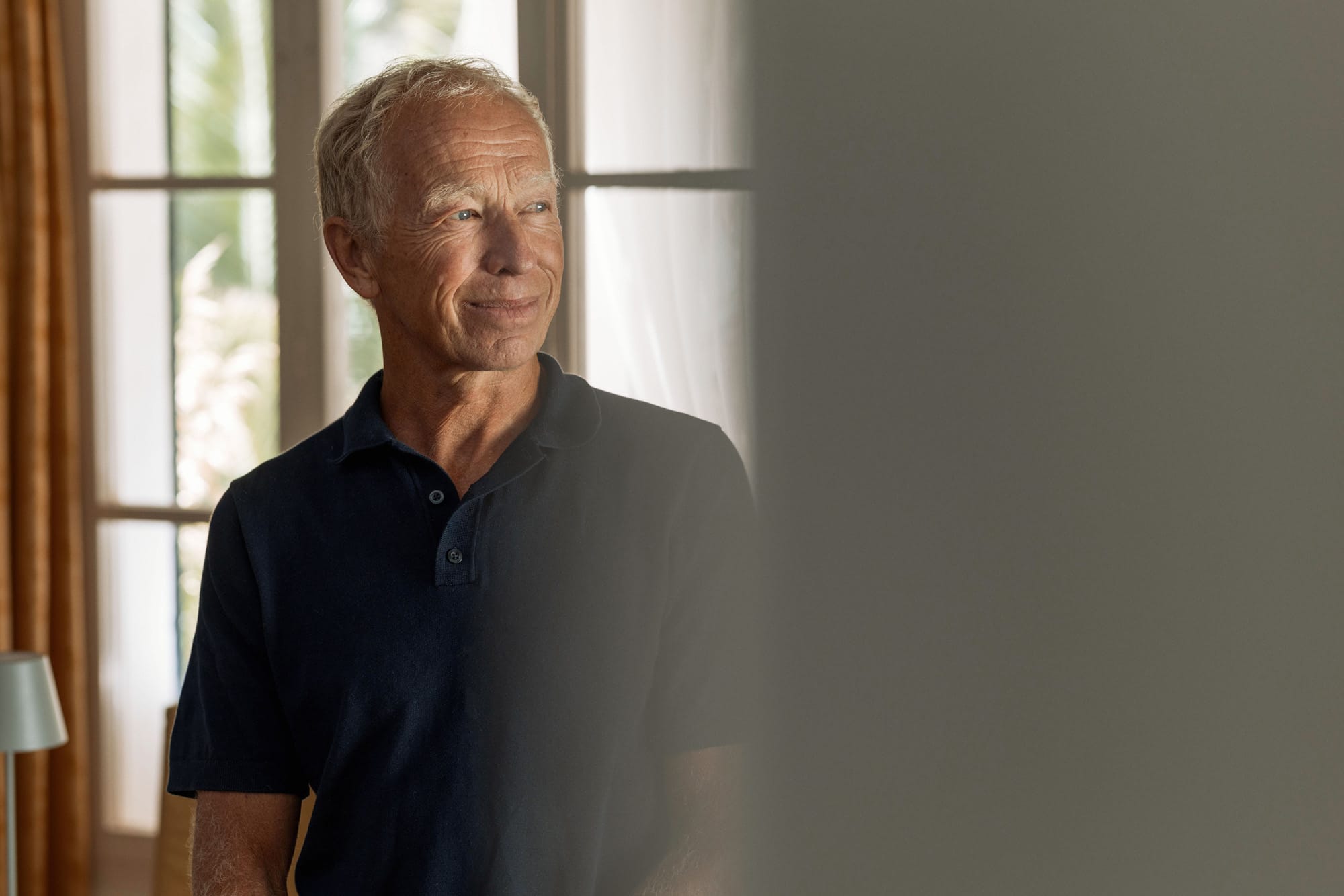
Always the next door
After that, the pattern repeats often enough that it stops looking like chance.
He left the Royal Marines at forty, turning down command of 30 Commando, a posting most officers would take, because he wanted to find out whether he could make it in the commercial world. He left Deloitte the month he made Director, one year short of Partner, because a colleague was building something new and the opportunity-to-risk equation was right. He left BT after it bought the consultancy he had helped build and the energy went out of the thing. "The thrill of pivoting is intoxicating," he says. "Almost like the bliss of ignorance," because you never know how hard the next thing will be until you are in it.
None of it came with swagger. Arriving in consultancy with no commercial grounding, he worked every hour to cover the gap, taking qualification after qualification while holding a calm face in front of clients. Ask him when he first felt good at the analytical side, the part the Corps means by the thinking soldier, and he won't accept the premise. "I've never felt I'm really good. I've always felt out of my depth." For anyone leaving the services and quietly sure they are not clever enough for the civilian world, it is the most useful thing he says. Imposter syndrome has no boundaries.
"I've never felt I'm really good. I've always felt out of my depth."
The proof that he had something worth backing came from a man with no reason to flatter him. Bob Kiley had run New York's transit system and held senior rank at the CIA. When Ken Livingstone brought him to London to build Transport for London, Kiley needed people he trusted around a ten-billion-pound investment programme, and he chose Mansell and his business partner, two ex-Royal Marines in a six-person firm, because they were bootnecks who told stories and laughed at themselves. Kiley taught him to slow down: don't rush to a solution, speak to experts such as Lord Browne first. It matched the oldest lesson Mansell had carried out of the Corps, which he puts plainly. Dig deep for good intelligence, and surround yourself with people smarter than you are.
The number is wrong
He was twenty-two when he told his troop to stop firing. The Argentinians were running, their backs turned, and the order was tempo and aggression, but they were already beaten, and something in him said it was wrong, so he stopped it. Decades later he does a version of the same thing for a living. The room is in Whitehall now and the thing that is wrong is a number, not a war, but the move is the same. See what others cannot yet see, say what needs to be said, and bear the consequences.

Four times he has written the report nobody wanted. The first was the National Programme for IT, the doomed attempt to digitise the NHS, at the time the largest civilian IT programme in Europe. Brought in to take stock, he found enough wrong that he wrote it up for the chief executive of the NHS and resigned at the foot of the same document, on the logic that the messenger would have to go. Then Smart Meters. Then HS2.
HS2 is the one the public knows, though not at first by his name. As an adviser to the Cabinet Office's Infrastructure and Projects Authority, working inside the programme, he saw the data and watched the people, and in December 2016 he wrote a report rating the scheme between amber-red and red, and forecasting a cost not of the £56 billion on the books but of up to £80 billion. He put it in money a citizen can feel. "I very charitably called it optimism bias," he says, charitably because the blunter word was lying. By his reckoning the gap came to eight 1,000-bed hospitals.
His objection was never that the railway should not be built. It was that Parliament, about to vote new powers and billions of pounds, was being handed a figure the programme's own people did not believe. It is not for the people running a scheme to decide what the people paying for it are allowed to know. He left it there, and the report sat. A year later the chief executive of HS2 Ltd was sacked, released the document to the press, and Mansell found out he was front-page news in the FT and The Times while playing golf in Scotland at his brother-in-law's fiftieth. The phone rang. What have you done, releasing that report? "It wasn't me," he said, standing on the grass. The company and the department briefed that he had it wrong. Then the government commissioned a review. The review took a year. It found that he was right.
"It is not for the people running a scheme to decide what the people paying for it are allowed to know."
The newest report is Heathrow, and the only thing that has changed is that he now writes them expecting to be read in public. The finding is familiar: a governance regime that does not work in practice, an expansion on course for the over-promised, over-spent disaster that wastes billions but excites ministers' optimistic expectations for ribbon-cutting.
What makes the difference, he says, is not having the unwelcome view, because plenty of people have that. It is delivering it so the person on the receiving end can act on it instead of resenting it. He has watched friends leave the military and curdle, certain they were right and never heard. Usually, he thinks, they were right. They had just never learned to say the thing in a way the room could take.
Now
There is one thing he was especially bad at, and he is open about it. In the Royal Marines you are built for resilience, but you are also carried by a system: R&R after an operation, a structure that assumes you have just come off something hard. "In the commercial world, you don't get R&Rs." He looked after his clients and his team and his family to the point of exhaustion, and was careless only with himself. It took two three-month career breaks, two complete stops, before he understood that this was not a lapse but a pattern. He now spends time with young engineers, teaching the resilience he had to learn the hard way, and extols the recovery he used to skip, whether in the water or the mountains.
His attention now is mostly on climate, though that hardly covers the week. The doctorate he took in his fifties measures whether the world's biggest infrastructure projects deliver what they promise. Fifteen years advising WWF. Three months in Sri Lanka, building a certification system to help small and medium firms become more sustainable. A harbour conservancy whose strategy he helped shape over ten years. Years of lecturing at UCL. A global code of practice he wrote for Cisco and then taught, country by country. Calls from the Cabinet Office after the pandemic, asking him to chair the COBRA national panel on readiness for future catastrophic disasters. And, in between, the young engineers he sits down with one by one, to hand on the thing the Corps built in him that the commercial world could not.
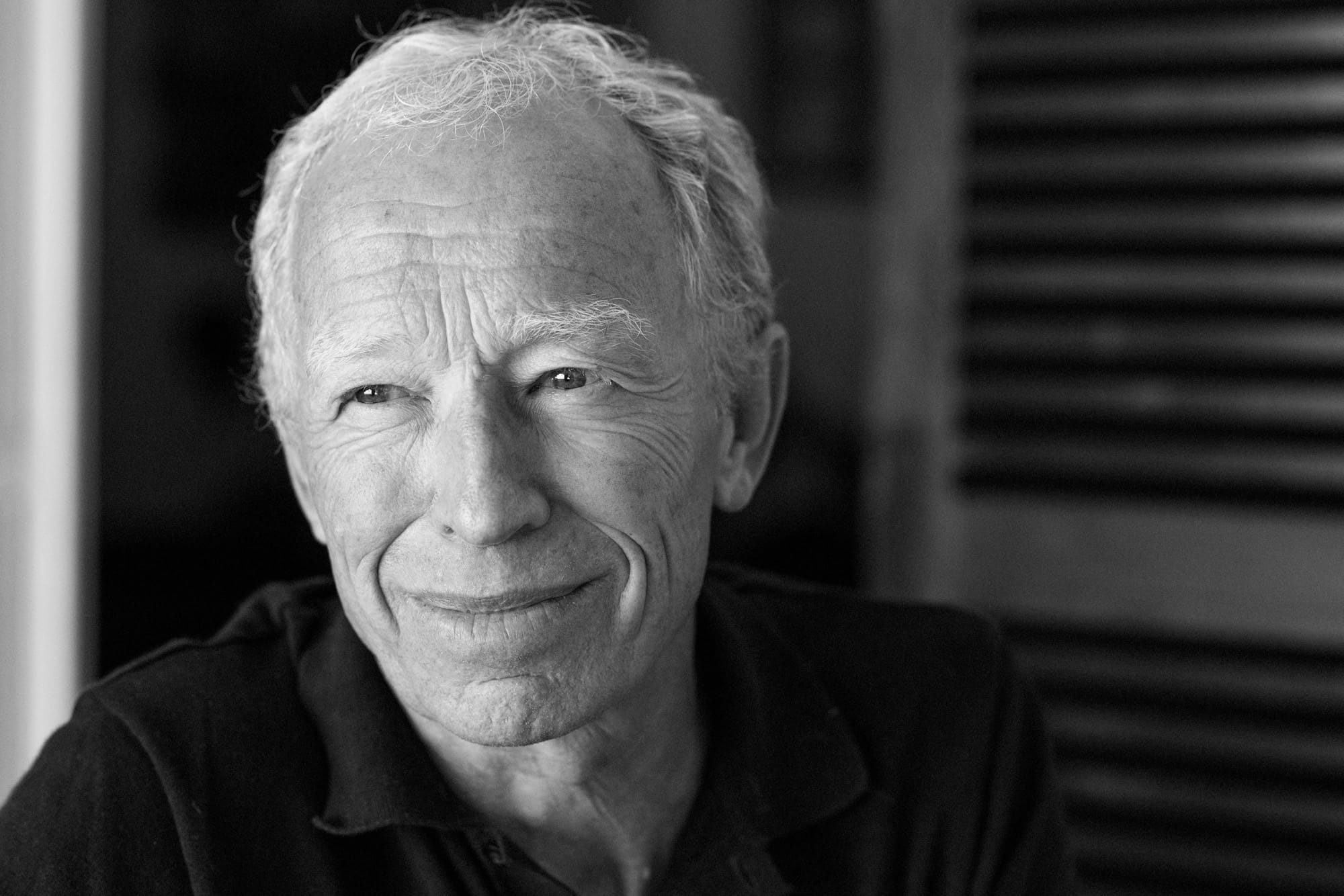
He has little patience for the idea that leaving is a step down. A Royal Marine going out the door into a different world, braced for an anticlimax, has it backwards. The skills transfer, above all the soft skills and the well-defined core values the Corps builds into you, and they make a firm baseplate for the extraordinary pivots ahead, the chance to grow both professionally and personally. The world is not linear, which to him is the whole point. There is a fun time ahead.
Know someone who belongs here? andrewfjmann@gmail.com